TikTok Shop Philippines: Seller Guide
Seller verification, product listings, affiliates, LIVE selling and fulfilment for TikTok Shop PH.

Ecommerce Guides — Philippines
Start, sell and scale across Shopify, Lazada, Shopee and TikTok Shop.
A curated hub for Filipino sellers learning how to start a business in the Philippines, choose the right ecommerce channel, and build a store that can be found by shoppers, search engines and AI answer engines.

Updated 2026
Selling online in the Philippines has never been more accessible, or more fragmented. Shoppers discover on TikTok, compare on Shopee and Lazada, validate with AI, and buy wherever friction is lowest. For a Filipino seller, the hard part is not choosing a platform; it is knowing how the platforms fit together and which step to take first.
These ecommerce guides for the Philippines are the playbook we use with our own clients. They cover the full journey: reading the market, choosing between a marketplace and your own store, setting up Philippine payments like GCash and Maya, integrating local couriers, and growing demand across Shopify, Lazada, Shopee and the fastest-growing channel right now: TikTok Shop. Each one is written by operators who have built and scaled these stores, not summarised from someone else's blog.
Start with the market overview and online-store build if you are new. If you already sell, jump to the platform guide you need, or the payments, shipping and advertising guides that decide whether a store is merely live or actually profitable. And if you would rather have it run for you, LOKAL runs ecommerce as one connected system: owned store, marketplaces, paid media, search and AI visibility.
Last reviewed June 17, 2026
Start here

The market context: why Filipino shoppers moved online, what changed in 2025-2026, and what sellers should do with that demand.
Read guide →
A step-by-step guide to platform choice, payments, logistics and launch planning for Philippine sellers.
Read guide →
A practical comparison of GCash, Maya, cards, bank transfer, PayMongo, DragonPay, BillEase and other Shopify payment options.
Read guide →Guide index
Live guides link normally. Coming-soon topics are shown for editorial context but are not linked until published.
The foundational reads for Filipino sellers deciding where to begin and what to build first.
The Philippines is one of Southeast Asia's fastest-growing e-commerce markets. Here's what 2025–2026 data reveals.
Launching an online store in the Philippines. Platform comparison, payment setup, logistics, and marketing strategies for Filipino entrepreneurs.

How Filipinos shop online in 2026: Shopee vs Lazada preferences, payment habits, peak buying seasons, and strategies to convert Filipino digital shoppers.
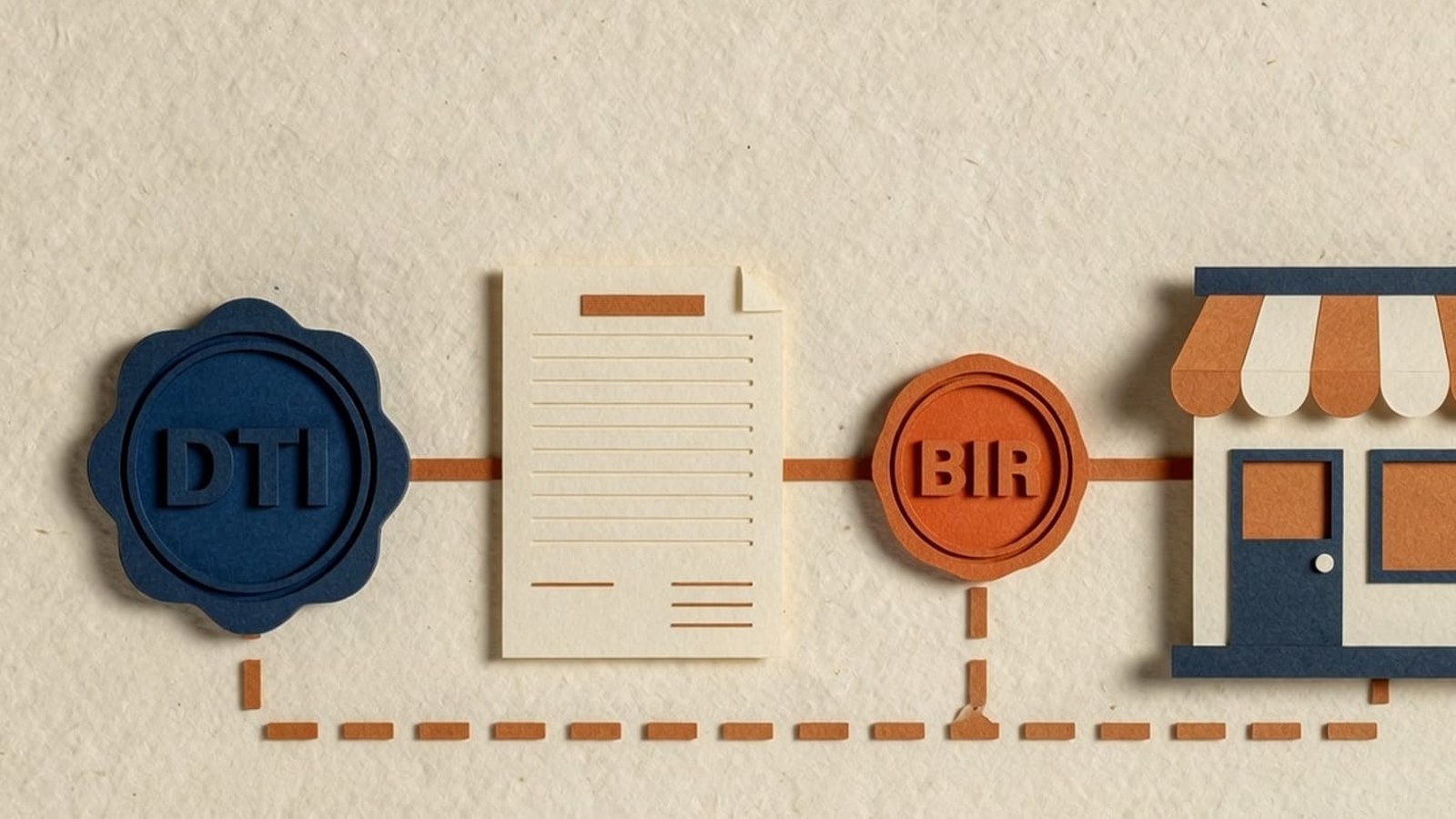
DTI, BIR, permits and the practical first steps before you start taking online orders.
Owned-store setup, payments, shipping and offline selling for brands that want margin and customer data.
A full Shopify setup guide for Philippine brands — plan pricing in pesos, GCash and Maya via PayMongo, local couriers, themes, and a launch checklist.
Complete list of Shopify payment gateways available in the Philippines: GCash, PayMongo, DragonPay, BillEase, crypto, and more. Fees and setup compared.

Complete list of Philippine delivery couriers for Shopify: J&T, JRS, LBC, 2Go, Ninja Van, and more. Compare rates, coverage, and integration steps.

Shopify's eCommerce platform allows you to create online and offline stores. Find out how Shopify's scalable solutions can help you grow your business.
A Philippine-specific platform comparison for cost, maintenance, checkout and growth.
Shopee, Lazada, TikTok Shop and social-commerce guides for sellers who need discovery, ranking and reliable operations.
Seller verification, product listings, affiliates, LIVE selling and fulfilment for TikTok Shop PH.
Start selling on Lazada in the Philippines today. Free signup, 2% transaction fee. Step-by-step guide covering store setup, product listing, and logistics.
Step-by-step guide to creating and optimising your Shopee Philippines store. Covers registration, product listings, shipping setup and seller tips.

Step-by-step guide to setting up your Lazada store and qualifying for LazMall in the Philippines. Includes seller requirements, fees, and performance tips.
Done-for-you ecommerce
We build and grow Shopify, Shopee, Lazada and TikTok Shop as one system: store architecture, marketplace operations, paid discovery, SEO and AI visibility.
Common questions
Pick where you'll sell first, register your business, set up payments and shipping, then list and market. Most Filipino sellers start on a marketplace (Shopee, Lazada or TikTok Shop) for instant discovery, then add a Shopify store to own the customer and protect margin. Our guides walk through each step: DTI/BIR registration, platform setup, payment gateways like GCash and Maya, and local couriers.
There's no single best; they do different jobs. Shopee drives mass-market discovery, Lazada wins premium and regional, TikTok Shop is the fastest-growing channel for fashion, beauty and FMCG, and Shopify is the best owned store for margin and customer data. Most ₱1M+/month brands run all three marketplaces plus Shopify.
Opening a marketplace store is effectively free; you pay per-transaction commission of roughly 2-8%. A Shopify store starts at the Basic monthly plan plus payment-gateway fees, a theme and apps. Also budget for product photography, launch inventory and ads. Our Shopify pricing and payments guides break down the real numbers.
Yes. Selling online is still a business: register a business name with DTI (or SEC for a corporation), secure a Mayor's/business permit, and register with BIR for official receipts and taxes. Marketplaces increasingly require this for payouts.
Register a TikTok Shop seller account, complete verification and requirements, list your products, connect fulfilment, then drive sales through content, affiliates and LIVE selling. It's the fastest-growing PH channel right now; being early is an advantage.
The essentials are GCash and Maya, plus cards and bank transfer via gateways like PayMongo, Xendit or DragonPay, and cash-on-delivery for many marketplace and courier orders. Our Shopify payment methods guide compares gateways, fees and setup.
Both. Marketplaces are the best discovery engines in PH ecommerce; your own Shopify store is where margin and first-party data live. Start where discovery is easiest, then recover branded demand back to your store.
Increasingly, yes: from drafting product listings and customer replies to merchandising, and getting your store cited by AI answer engines when shoppers ask what to buy. It's still early in the Philippines, which is exactly why it's worth getting ahead of now.