LOKAL Book a consultation
Sydney and Manila, since 2017

The AI practice · Run

Keep your AI workflows running.

Give the work an owner after the build is finished.

For teams that need ongoing management, review and improvements to the AI workflows they use.

Run on the AI we built for ourselves.

The scope

What does Run include?

Run is the ongoing management of an agreed AI workflow.

It connects the people using the workflow with the people maintaining it. The scope names what is being managed, how exceptions are reviewed and which changes need a new decision before implementation.

An operating scope

Name the workflow, its purpose and the systems it connects. Agree the responsible people, the expected review points and the information they need to understand an exception. The scope makes clear which work is included in ongoing management.
Exception review

Look at the situations where the workflow did not produce the intended result or needed a person to step in. Record the context and decide whether the issue belongs in instructions, inputs, implementation or the underlying process.

Maintained instructions

Business processes change. Keep the workflow’s instructions and supporting documentation connected to the way the team actually works. Changes should be reviewable so the people using the workflow understand what has changed and why.

A prioritised improvement list

Not every suggestion needs an immediate build. Collect the improvements, connect them to the operating evidence and decide what matters next. A larger change can move back into the planning or implementation stage with a separate agreed scope.

How it starts

Agree the work before it begins.

Use these four steps to turn the business question into a scope your team can review.

  1. 01

    Review the working system

    Understand the workflow, its purpose, its connections and the people who depend on it.

  2. 02

    Agree responsibilities

    Name the owner, review schedule and path for exceptions and changes.

  3. 03

    Manage and document

    Review the operating record, maintain agreed work and keep the instructions current.

  4. 04

    Improve from evidence

    Choose the next improvement based on the issues and needs seen in actual use.

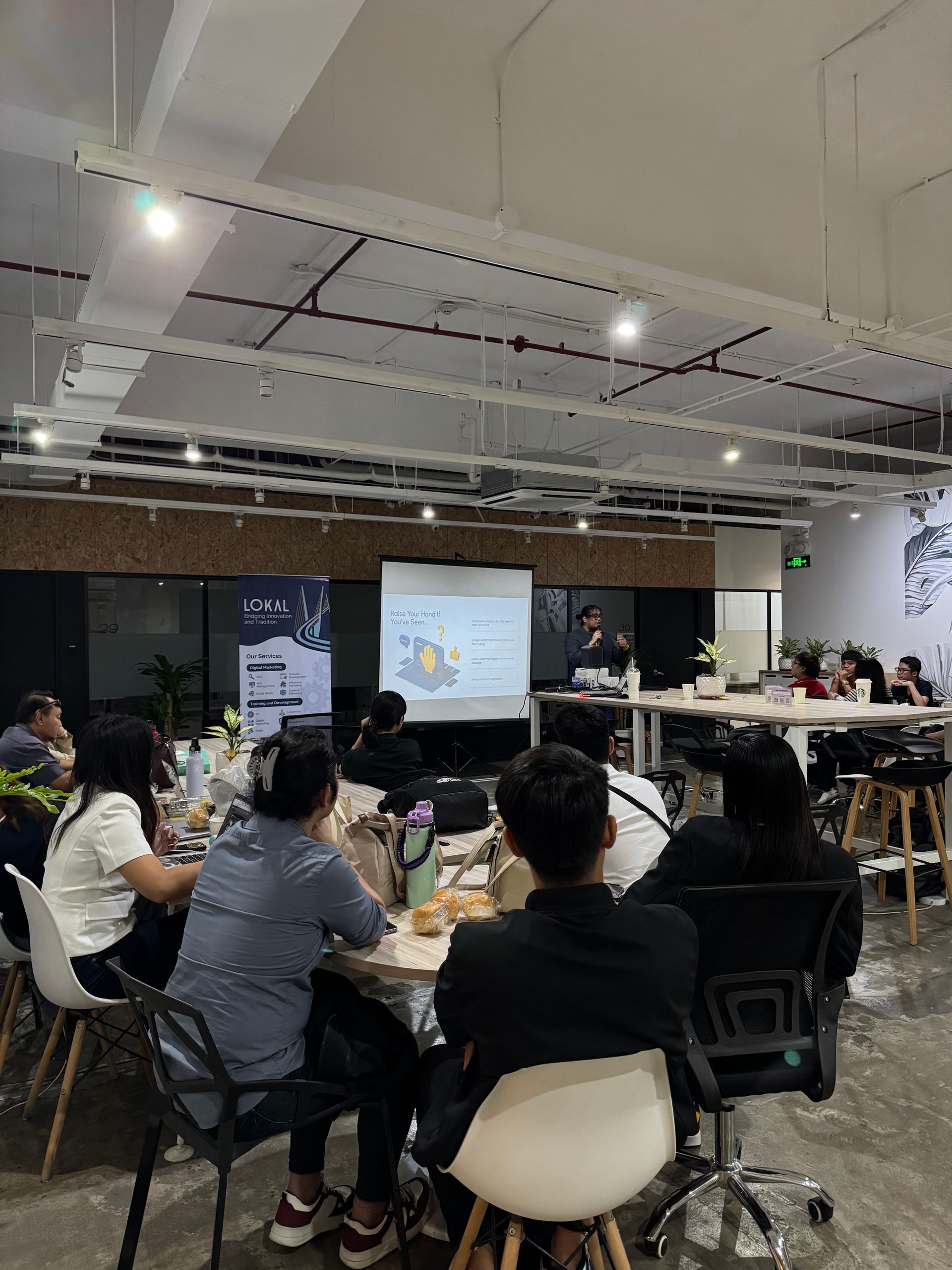
A LOKAL hands-on AI workshop with a client team
Hands-on work, not a slide deck. The record behind the practice is running AI inside teams.

The record

The system we run ourselves.

LOKI delivers approximately 80% of LOKAL’s own services.

In July 2026, the internal system had 433 tools and 19 skills. That record is specific to LOKAL’s work: another organisation’s operating scope depends on its own workflows, information and people.

Read the scoped record ↗

What to bring

The context your team already has.

Bring what is available. The consultation identifies what else is needed before the scope is agreed.

  • The workflow you want managed and the business task it supports.
  • Existing documentation, access arrangements and examples of exceptions or manual handoffs.
  • The person who owns the workflow internally and the people who can approve changes.

Connected work

Choose the next step around the need.

The stages connect, but your team does not need to begin every piece of work at once.

Applied AI ↗

Build or change the workflow through a defined implementation scope.

The Blueprint ↗

Revisit the plan when the business need or operating scope has changed.

The Program ↗

Support adoption when the people using the workflow need coordinated help.

LOKI ↗

Read about the internal system behind LOKAL’s own work.

Common questions

Before we start.

These questions help establish the people, responsibilities and starting point for the work.

Can Run support an existing workflow?

Bring the workflow, its documentation and the people responsible for it to the consultation. We review the operating context before agreeing whether the practice can take on the work and what the scope should include.

Does Run include new builds?

The operating scope defines ongoing management. A new workflow or substantial change needs its own agreed implementation scope so the team can review the work, dependencies and responsibilities before it begins.

Who owns the decisions?

The scope names the responsible people on both sides. Your organisation remains involved in business decisions and approvals. The practice provides the agreed management and brings exceptions or proposed changes to the right people.

What happens next?

Send the form with a short description of your team and the work. We reply within one business day to arrange a 30-minute consultation. That conversation establishes the context and the next step for an agreed scope; it does not commit your team to a program.

Your next step

Tell us what your team needs.

Describe the work, the people involved and the decision you need to make. We reply within one business day to arrange the 30-minute consultation.

Enter your work email to continue.

We reply within one business day.