





Content Summary
This page is updated as new trends, courses, and other significant information emerge.
Latest Update: February 13, 2026
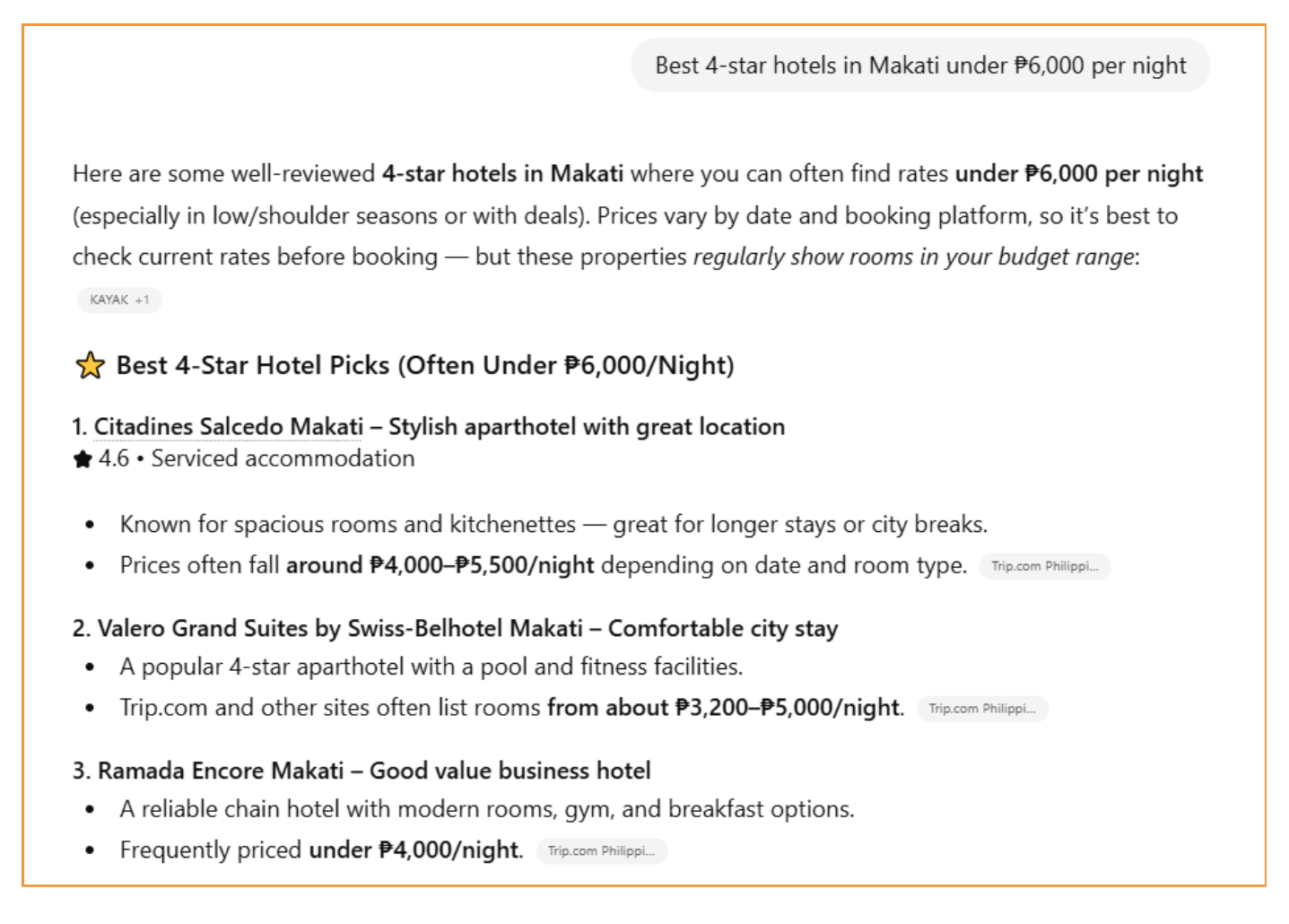
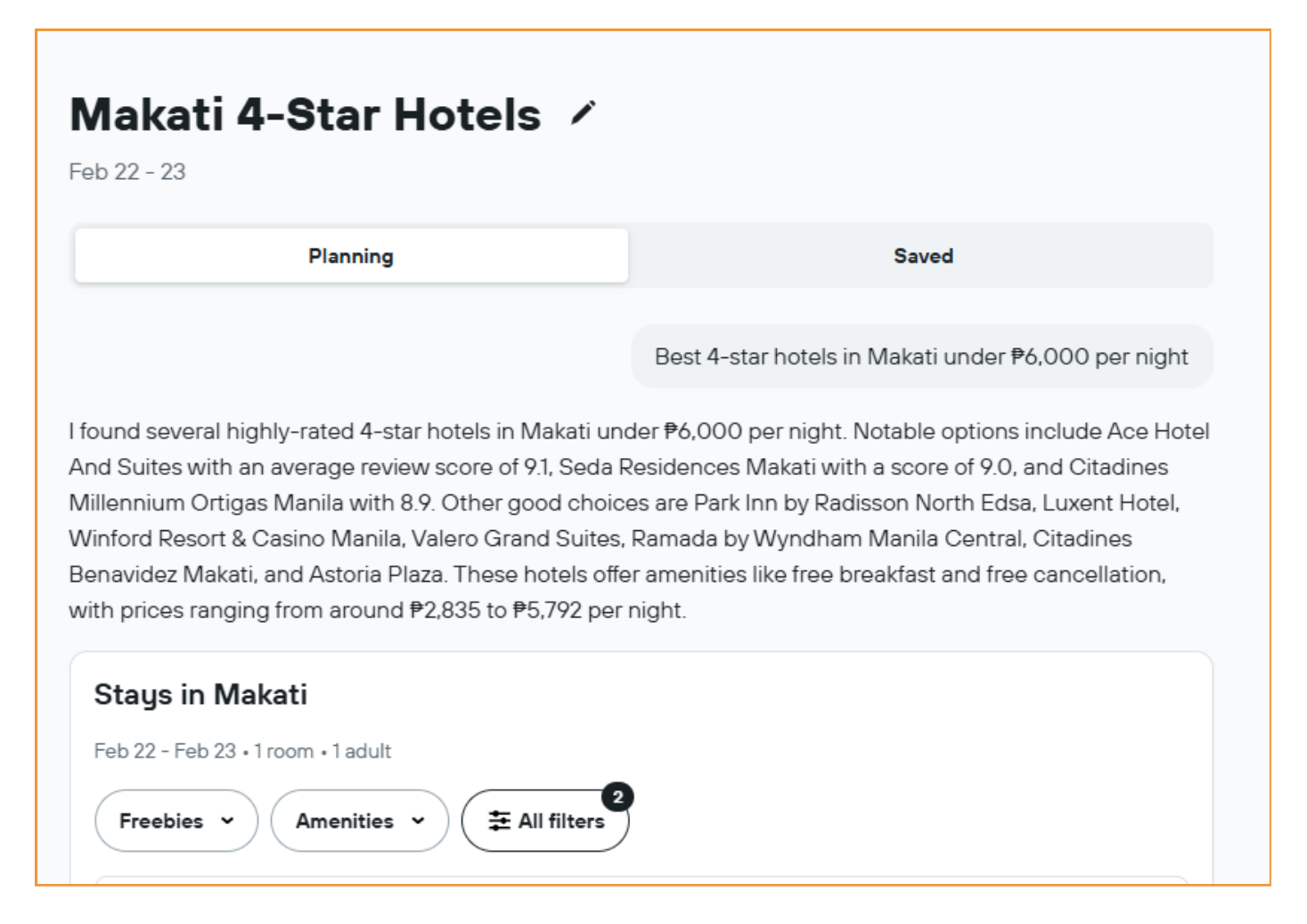
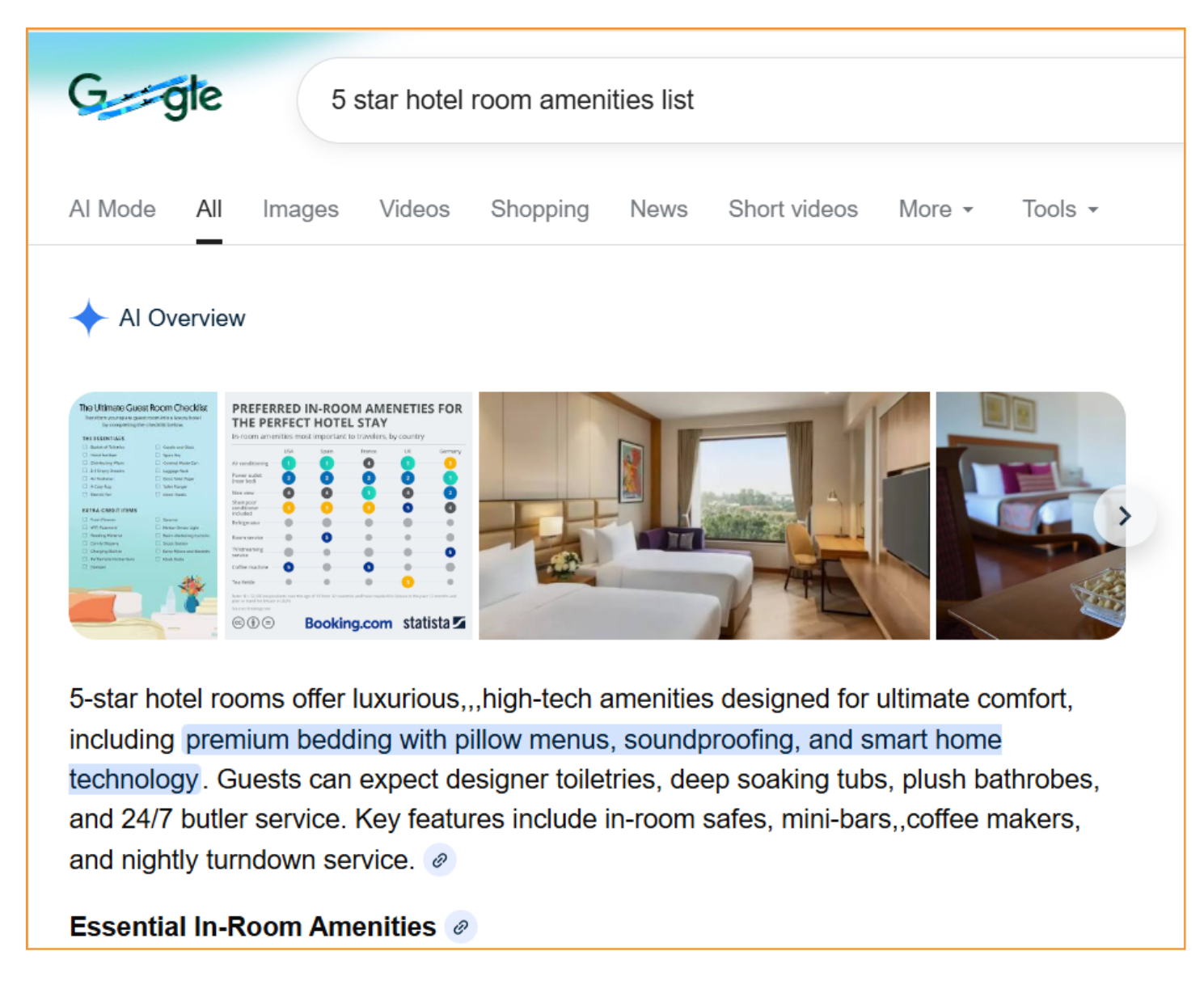
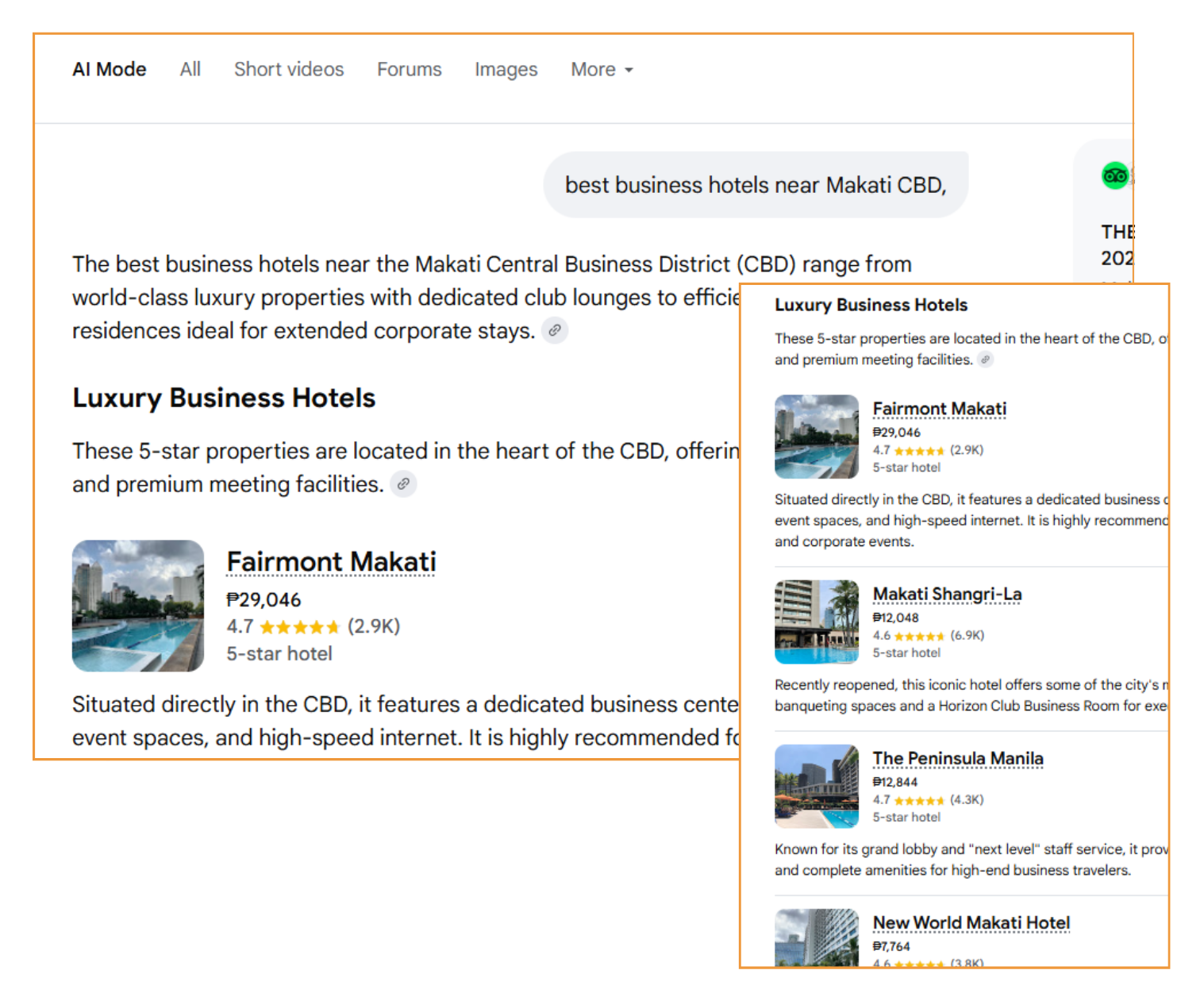
The realm of search has been slowly but surely changing. From having to scroll through hundreds, if not thousands, of results for a single query (sometimes to no avail), now all you have to do is ask a question and you'll get the answer within seconds.
Research by SE Ranking shows AI traffic to websites grew seven times in a single year,
while McKinsey projects that by 2028, AI search visitors will surpass traditional search traffic entirely. Here's where we are now: AI currently drives only 0.15% of hotel traffic, with industry data showing that referral traffic from AI platforms jumped twelve-fold between July 2024 and February 2025 alone. In the Philippines, where AI adoption leads Southeast Asia, this shift is accelerating faster than global trends. The question every hotel operator should be asking: what happens when visibility stops being about ranking and starts being about selection?
Who Controls the Selection?
The answer should concern independent hoteliers attempting to maintain direct booking channels and reduce commission dependence.
Research by Cloudbeds
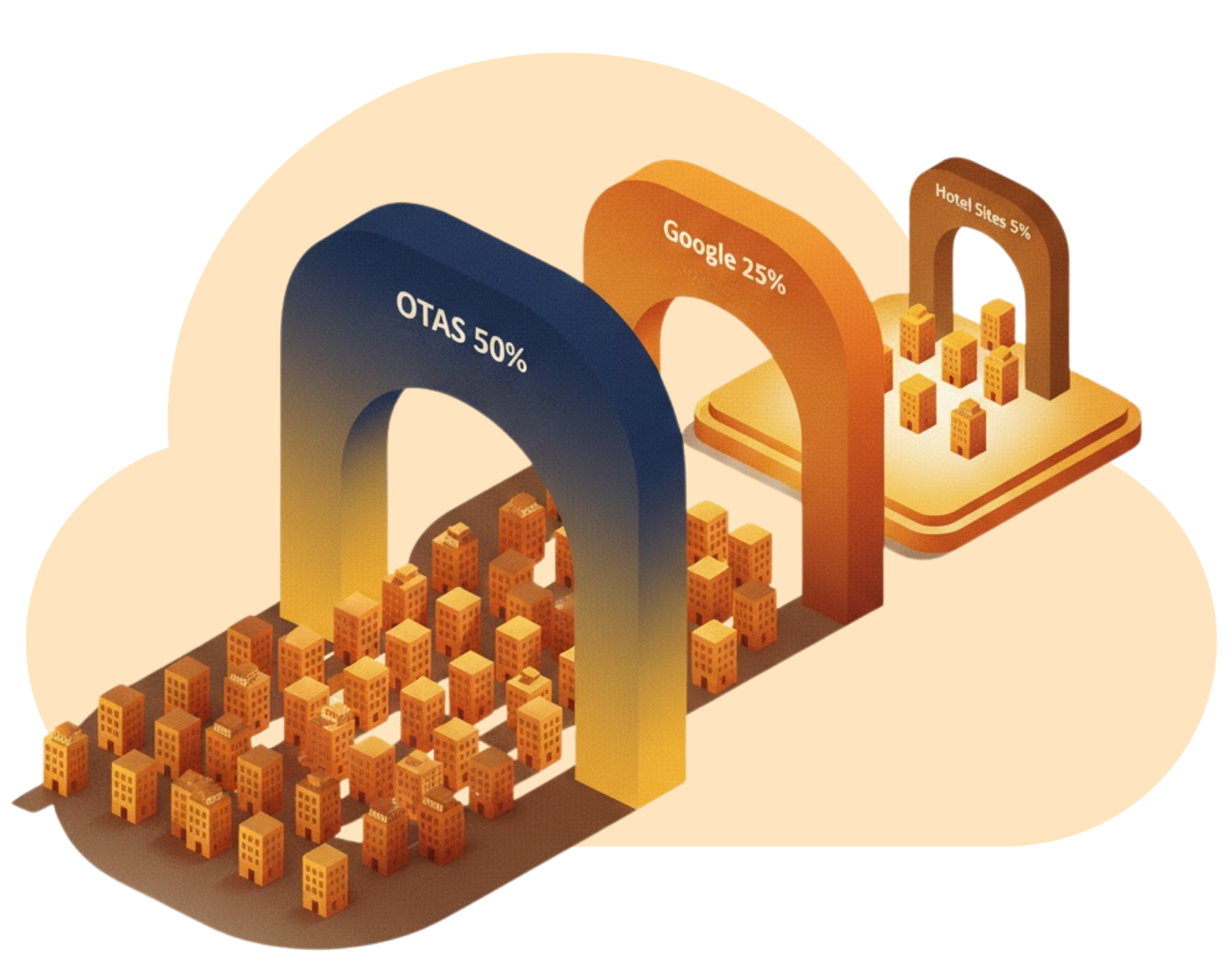
analyzing how AI platforms source hotel recommendations reveals that over 50% of citations come from OTAs like Agoda, Booking.com, and Expedia. These platforms provide the structured, real-time data AI systems trust: rates, availability, reviews, property descriptions, all formatted for machine reading and algorithmic interpretation. Google Business profiles account for another 25% to 30% of citations according to the same study. Hotel websites themselves contribute only 5% to 10% of source material, even when those sites rank well in traditional search results.
Consider what this means for a 40-room boutique property in Palawan that has invested systematically in its website and cultivated direct relationships with repeat guests. The property maintains a strong Google presence that delivers 30% of bookings through organic search. As AI search becomes dominant, that carefully built direct channel increasingly depends on whether Agoda's data feed presents the property favorably to an LLM processing a traveler's query. The commission the property escaped by building direct booking capability gets replaced by structural dependence on platforms that control visibility itself, not merely the transaction that follows from it.
The Quality Paradox
Defenders of AI search frequently cite conversion rate improvements as evidence that the consolidation ultimately benefits both travelers and properties.
Research by Ahrefs found that visitors who click through from AI platforms convert at dramatically higher rates than traditional search traffic. Some properties document conversion improvements of 23 times or more compared to organic search visitors. The argument follows that AI pre-qualifies intent and filters out casual browsers, sending properties only to serious buyers who arrive further along the decision journey.
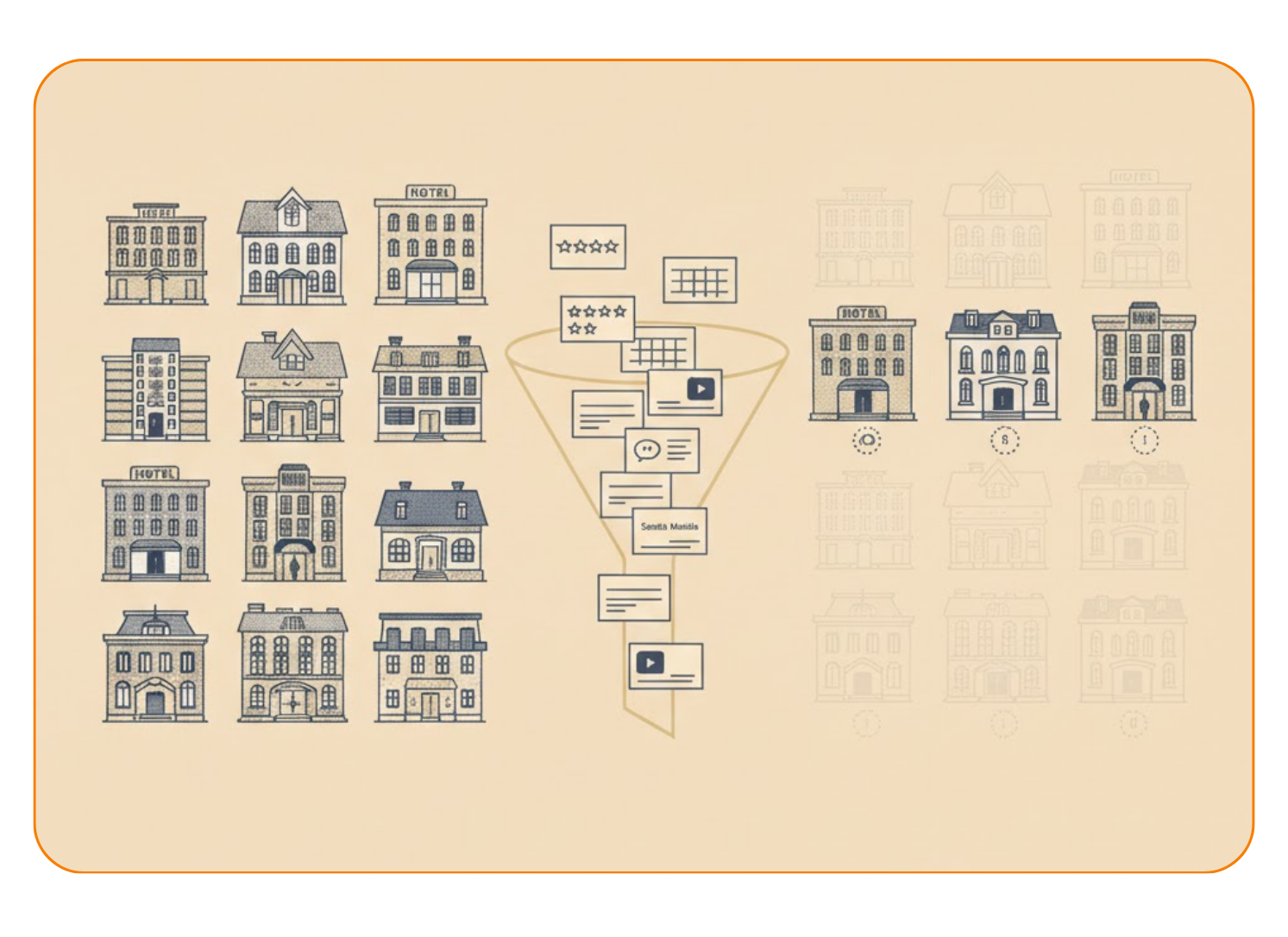
This argument misses the consolidation effect entirely by focusing on conversion rates while ignoring absolute booking volume. When visibility concentrates among three to five properties instead of distributing across ten to fifteen, overall booking volume for excluded properties doesn't remain constant. The traffic disappears entirely. Conversion rate improvements applied to zero visitors produce zero bookings regardless of how efficient the funnel becomes for those few who do click through. The mathematics only work for properties that achieve selection in the first place.
What Gets Lost
The consolidation of discovery carries second-order effects that efficiency metrics fail to capture. These effects concern themselves less with individual property performance than with ecosystem diversity. When travelers see only three hotel options instead of fifteen, they miss the unusual property that doesn't fit standard categories. The family-run guesthouse with extraordinary local knowledge but minimal amenities disappears. The converted heritage building with architectural character that doesn't photograph well for Instagram becomes invisible. The budget property that consistently over-delivers on service but lacks the amenity list that AI privileges when matching queries to inventory never appears.
These properties existed in the long tail of traditional search, capturing bookings from travelers willing to scroll past the first page and compare options beyond the featured results. AI search, optimized for efficiency and algorithmic confidence, eliminates that discovery process by design rather than accident. The system decides what matters most and shows only options that meet those predetermined criteria.
For destinations dependent on diverse accommodation types to create their tourism appeal, this creates genuine ecosystem risk. Boracay doesn't thrive merely because its large resorts receive AI recommendations. It thrives because backpacker hostels, family cottages, mid-range hotels, and luxury properties create a destination with options suitable for different traveler segments, budgets, and preferences. When AI preferentially surfaces only certain property types based on data availability, review volume, or platform partnerships, it homogenizes both supply and demand in ways that diminish destination complexity.

The Window Closing
McKinsey's research on AI search adoption found that only 16% of brands globally currently track AI search performance. The competitive landscape remains relatively wide open with optimization strategies still emerging. For Philippine properties specifically, this represents a brief window where early movement creates lasting advantage in a market where AI adoption rates compress normal technology adoption curves.

That window is closing measurably rather than theoretically. An estimated $750 billion in US revenue will flow through AI-powered search platforms rather than conventional search engines by 2028. Google is actively building agentic booking tools that enable travelers to complete entire reservations within AI Mode without visiting hotel websites. ChatGPT has announced partnerships with Booking.com, Marriott, IHG, and Wyndham specifically to enable direct booking functionality. The infrastructure of AI-native travel distribution is being built during this transition period, and properties that optimize for it today will possess incumbency advantages when it becomes the dominant discovery mechanism.
The Philippine market compresses this already-accelerating timeline further. When domestic travelers demonstrate three times higher stated interest in AI than global averages, the future arrives faster than properties can adapt using strategies designed for slower-moving markets. Properties that wait for "best practices" to emerge and become clearly defined will find themselves optimizing for a market already captured by early movers.
What optimization even means in this context remains strategically ambiguous. Technical implementations like schema markup and FAQ page structures matter as foundational requirements, but they function as table stakes rather than differentiators. The strategic question is whether independent properties can maintain visibility when the platforms mediating discovery have direct commercial interests in directing bookings toward their own inventory or highest-paying partners.
The Uncomfortable Answer
The consolidation of hotel discovery into AI interfaces probably benefits large operators at the expense of small ones. It probably strengthens OTA control rather than weakening it. It probably reduces actual guest choice while claiming to enhance personalization through algorithmic curation. None of this makes AI search reversible or avoidable as a technological or behavioral shift. Traveler behavior gravitates toward convenience, and conversational AI delivers that convenience in ways that traditional search fundamentally cannot match. The technology works effectively. The user experience represents a genuine improvement for efficiency-focused travelers. Adoption will continue regardless of its distributional effects on the hospitality industry.

In the Philippine market, where digital adoption consistently outpaces physical infrastructure and guests embrace new technology faster than many developed markets, this shift manifests not as distant future but present reality. The hotels filling rooms in 2027 will be the ones that recognized in 2026 that discovery had already moved from search engines to answer engines. The question facing every operator is not whether to optimize for AI visibility, but whether they will retain the option to choose once the competitive window closes entirely. Understanding what that optimization looks like in practice, which specific actions create AI visibility, and how properties can maintain control over their representation in algorithmically mediated environments will be the next steps in this reality.
Is Your Hotel Invisible to AI Search?
When travelers ask ChatGPT for hotel recommendations, they see three properties—maybe five. If you're not in that shortlist, you don't exist. We'll show you exactly where your property stands in AI discovery channels and what you need to do before it's too late.
Fresh off the press
What's latest in LOKAL?

Unlocking Productivity: A Look Inside LOKAL's Practical AI Skills Workshop
Enhance your team’s capabilities with customized AI training programs for Philippine businesses. See how AI can transform key industries, driving growth and innovation.

AI Training in the Philippines: Unlock Growth and Efficiency for Your Business
Unlock your team's potential with AI training designed for Philippine businesses. Discover how AI can drive growth, efficiency, and innovation across key industries in the country.

How We're Using AI in Our Marketing: A LOKAL Perspective
See how we’re using AI every day in marketing. Discover practical ways AI can enhance your marketing efforts. Learn how our AI training programs help businesses grow.
Let's Get Started
Ready to enhance your AI capabilities? Let us guide you.
Our team at
LOKAL will help you assess your AI training needs, analyze your current data infrastructure, and develop a comprehensive roadmap for your machine learning initiatives.
Whether you're looking to:
- Looking for custom training for your organization
- Optimize existing AI workflows
- Implement AI-powered automation
- Train your team on AI best practices
We'll work with you to create a tailored solution that fits your goals and budget.
You can also reach out at
hello@lkl.ai