Reputation management / 2025 guide
Online Reputation Management for Filipino Brands (2025)
A practical guide to Online Reputation Management for Filipino Brands (2025).

Over 60% of the Philippine market are active users of the internet as compared to the global average. Filipino companies are more exposed to online harassment and negative feedback to their reputation. With more and more Filipinos becoming heavily reliant on the internet to find products and services to use, it has even become more important for businesses to protect their online reputation and manage any online mention or feedback so that they can present their best to the world.
Just like being armed for battle, sufficient knowledge, tools and experience are needed to tackle the most crucial aspect of every business—it’s image towards its own market.

First Step, Look Up Your Business Online
Search engines gather information about your business from directory listings, to your website, social media accounts and reviews from customers.
Behavior of customers have changed, and continues to change. Most of the online audience use search engines to shop online, plan for their next travel and do a product or service research which could benefit your company image and sales.
Your future customers are looking up your business online, and so should you. Here are the questions you need to ask:
- When you search your brand name (example, Jollibee), is your website, social media, or any other asset visible? Or is someone else actually showing up at #1? For your brand, your website should always appear #1. If you have a website and it does not show in the #1 rank or even in the first page, then you seriously need to consider foundational SEO.
- What other sites show up when you search your brand? Sometimes, malicious sites may appear alongside your brand in the search results and dissuade your customers from going to your site.
- Is there any bad press, review, or negative tweet about you that appears in the first page? It might be too late for you to get started on your own then, and you may need to get an expert in reputation management to fix it for you.
If you haven't yet, make sure to build a website, claim all your social media profiles, and build your online presence. Reputation Management starts with owning the different assets online about your brand and then managing the conversations around it. Make sure that you are in control of all the different avenues where people can damage your reputation.

1. Register and Claim Your Business
Start by listing your business on trusted online directories.
Google My Business, Bing, Yelp and LinkedIn can strengthen your online presence and bring more traffic to your site. You may request ownership of your Google My Business listing through these instructions.
Yelp is also a great business directory platform that has about 34 million unique users. You can register on Yelp by signing as a business owner and providing your business details and then confirming your email. Yelp will take you to their page wherein you can claim your business through email or phone verification, then you can get started on promoting your business page by adding clear, useful content to it.
Linkedin Company pages are also automatically generated by the platform whenever someone adds this as their workplace in their current position; what you can do to claim the page is to make sure you add and confirm the email address you used to create the page and enlist your current position with the company name. Once completed, you can select from the menu and claim your page or add yourself as admin to the existing page generated by Linkedin.
2. Start Listening to Your Customers, and Monitoring Your Site
Monitor website traffic, social activity and reviews once your channels are active.
Built-in analytics show visitors, enquiries and comments. Daily monitoring helps your team respond quickly and maintain a useful response rate.
A free and easy way to monitor your brand online is by using Google Alerts. Setting up Google Alerts for certain keywords allows you to monitor what type of sites are talking about your brand, where is your brand getting mentioned, and where you can improve.
Here are the steps for you to set this up:
- Go to google.com/alerts.
- Enter your brand name or the keywords you want to monitor.
- Choose how often you get alerts, your sources, language, and region.
- Enter your email and click Create Alert.
- Review the alert emails as they arrive and refine your keywords over time.

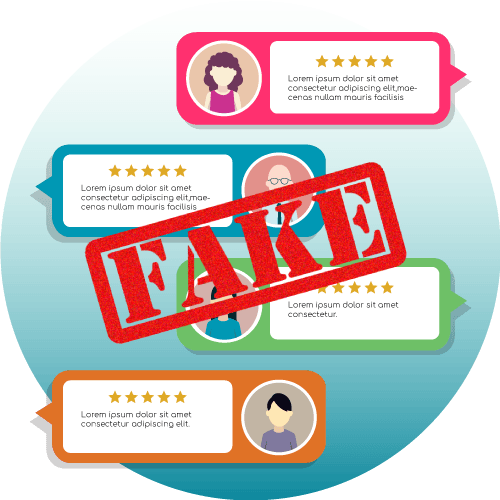
3. Ditch Fake Reviews and Followers
Some businesses might take shortcuts and grow their followers and make up their own reviews online.
The bad news is, your customers will definitely tell if its true or fake and it can turn off some customers. Producing fake followers will also not help you rank well on search engines also.
4. Enhance Company Values To Fit Online Market
Get potential clients and workers that match your business’ vision by incorporating company values into your profile, posts and other content.
This will help you hire the right talent and inspire clients along the way.

5. Establish Your Expertise
Show your expertise through client reviews, webinars and useful courses.
With permission, client reviews can show the work you have done. Webinars and courses can teach your audience a skill related to your field. A lot of businesses also use short, useful YouTube videos to explain their products and services. About 65% of the audience are visual learners. Video marketers also get 66% qualified leads.

6. Increase Positive Response
Post inspiring content that will help build up your customers.
They could be leadership quotes, a good report on the industry your working for and tips to better investments. Don’t settle for anything less than the best and most accurate info you can find.

7. Respond With A Quick Professional Response to Negative Feedbacks
It’s good to keep your integrity as a business owner or manager by responding to negative feedbacks in a professional manner.
Keeping your responses short and helpful to the customer is also the best way to manage negative feedback. Remember not to get emotional about it, as it can stir up conflict.

8. Filter Spam and other Irrelevant Content
Use your site’s moderation tools to manage spam and irrelevant reviews.
WordPress lets you accept or ignore comments. Social platforms offer controls to delete, mark as spam, report or block comments, subject to each platform’s rules.
Other companies though, opt to switch off commenting like in YouTube channels, which might be annoying for some of your followers online because they’re forced to hold in something positive and inviting they want to share.

9. Build a Community of Influencers
A trusted community can help when one customer concern becomes a wider online issue.
Their role is not to attack a critic. They can add honest context while your company addresses the underlying concern.
Responding positively to negative comments may not totally convince some customers who’ve had a bad experience in previous undertakings whether from your company or outside, but it reveals how much the company values its integrity and would not let any sort of offense break what it stands for.
We do hope this guide will help you build, grow and maintain your online reputation as a credible business. If you have comments or questions, feel free to drop a line below and we’ll be happy to assist you in the best ways we can.

10. Encourage Visual Feedback
About 65% of people are visual learners, according to Forbes.
Make your storytelling such as customer testimonials and feedback visual through short videos. Take advantage of how large your potential market reach would be using social media platforms like Tiktok, Instagram, Facebook, and Youtube. Through visuals, your market gets a feel of your product, enticing them to experience it themselves. With your product and brand visually distributed among platforms, the higher the chance of recognition.

Your next step
Turn this into a plan for your team.
Bring the work you want to improve. We will discuss the direction, team and next step.